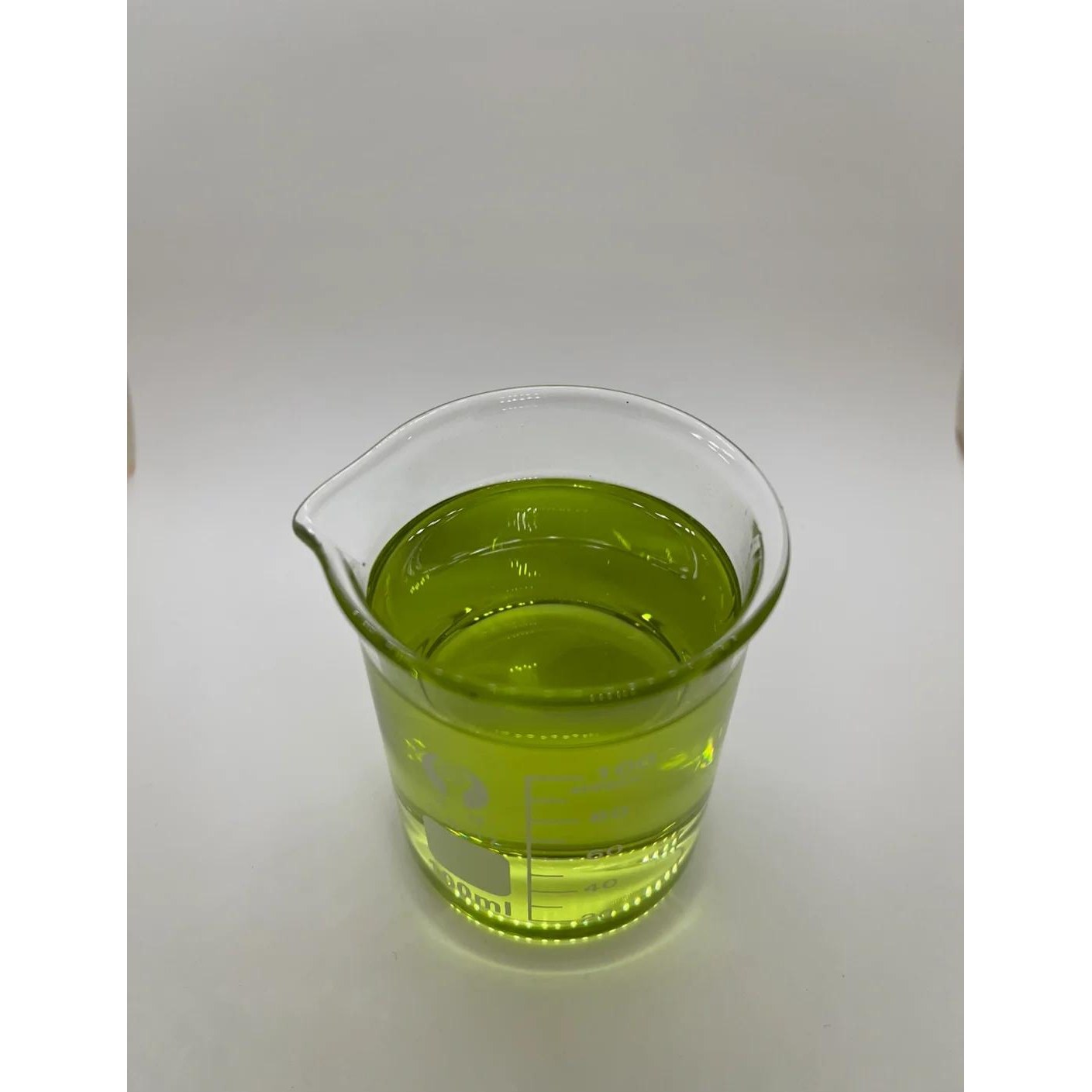
Pure Grape Seed Oil Food Grade Cold Pressed Refined Cosmetic Carrier Oil Wholesale
Refined & cold-pressed grape seed oil, 70-76% linoleic acid, food & cosmetic grade
Specifications
- Product Name
- Pure Grape Seed Oil
- Synonym
- Vitis Vinifera Seed Oil; Grapeseed Oil; Grape Oil; Wine Grape Seed Oil
- Plant Source
- Vitis vinifera L. seeds (winery pomace by-product)
- Used Part
- Seeds
- Specification
- Refined Grape Seed Oil; Cold Pressed Grape Seed Oil; Organic Grape Seed Oil
- Extraction Method
- Cold Pressed / Solvent Extraction / Supercritical CO₂ on request
- Test Method
- GC fatty acid profile, AOCS / ISO 5508; COA issued per lot
- Product Grade
- Food Grade / Cosmetic Grade / Pharmaceutical Grade
- Certificate
- ISO 9001, HALAL, KOSHER, FDA-registered facility, REACH, COA, MSDS; Organic EU & NOP on the cold pressed grade
- Classification
- Edible vegetable oil / cosmetic carrier oil
- MOQ
- 20 kg sample drum / 200 kg standard order / 18–22 MT flexitank
- Shelf Life
- 24 months unopened, stored cool and away from light
- Appearance
- Pale yellow to light green, clear
- Odor & Taste
- Refined: neutral. Cold pressed: mild nutty, slightly grassy
- Acid Value
- ≤ 0.3 mg KOH/g refined / ≤ 2.0 mg KOH/g crude
- Peroxide Value
- ≤ 5.0 meq O₂/kg at shipment
- Linoleic Acid (C18:2)
- 70–76% typical
What is Pure Grape Seed Oil?
Pure Grape Seed Oil comes from the seeds wineries throw away after pressing grapes. Nothing exotic about the source. What makes the oil useful is that it's unusually light, sinks into skin without leaving a film, and carries one of the highest linoleic acid levels of any commercial vegetable oil — usually 70% and up.
That combination is why the same product ends up in a frying pan, a face serum, and a softgel. Refined grape seed oil has almost no smell or color, so it disappears into whatever you're formulating. Cold pressed keeps more of the natural tocopherols along with a greener tint and a nuttier taste, which is what most skincare brands and health-food buyers ask for.
We run the whole chain ourselves: buying seed from wine regions we've worked with for years, extracting, refining to your spec, testing in our own lab, then packing. Food, cosmetic, or pharma grade. If you tell us what you're actually making, we'll tell you which grade fits instead of steering you to the most expensive one.
Why Buyers Choose It
A few things come up over and over when customers reorder:
Batches don't drift. Same color, same peroxide value, same fatty acid spread lot after lot. On a production line that matters more than any single number on a spec sheet.
Linoleic acid lands at 70–76%. If you're formulating skincare, that figure is usually the whole reason you picked grape seed over something cheaper.
All three grades are normally in stock, so a cosmetic buyer and a food buyer can share a container without us scrambling to source.
Paperwork is ready before you ask for it. COA, MSDS, allergen and non-GMO statements, HALAL and KOSHER certificates — one folder, per batch.
Packaging scales with you. Start at 20 kg if you're testing, move to drums, then IBCs or a flexitank once volume justifies it.
Every lot traces back to the seed lot it came from. If something ever looks off, we can tell you why within a day.
Where Pure Grape Seed Oil Gets Used
Cosmetics and personal care
This is where most of our volume goes. Grape seed absorbs fast and doesn't leave the heavy film you get from olive or coconut oil, so it shows up in facial serums, daily moisturizers, massage blends, and makeup removers. Formulators also like that the refined grade is practically odorless, which means your fragrance stays in charge instead of fighting the base oil. Use levels run anywhere from 5% in an emulsion to 100% as a straight carrier oil.
Food and beverage
Smoke point sits around 216°C, high enough for commercial frying, mild enough for dressings and mayonnaise where you don't want the oil to taste like anything. Buyers selling it as a health or finishing oil usually take the cold pressed version instead — that one keeps the green tint and the nuttier aroma, and it sells on the label.
Nutraceuticals and pharma
Softgel fills and liquid supplement blends. It's low in saturated fat, blends easily with other omega oils, and stays stable through a normal shelf life. If your filling line needs extra protection, we can ship nitrogen-flushed.
Typical Fatty Acid Profile
How We Make It, and Where Batches Usually Go Wrong
Seed selection, extraction, refining, lab, packing. Sounds obvious. Here's what actually matters at each step for our Pure grape seed oil:
Seed intake: we only buy from wineries we've worked with, and we test moisture and free fatty acid on arrival. Wet or old seed is the number one reason a batch comes out with high acidity.
Extraction: cold pressed for premium grades, solvent for high-volume refined. Both go through degumming, neutralization, bleaching, and deodorization unless you specifically want crude.
Lab: acid value, peroxide value, color, and full fatty acid profile on every single lot before release. Not a spot check.
Packing: lined drums or IBC totes, nitrogen-flushed if you ask. You get the lot number and COA before the truck leaves.
Packaging, MOQ and Lead Times
Sample drum: 5 kg or 20 kg, courier or air freight. Charged at cost and usually credited against your first order.
Standard: 200 kg steel or HDPE drum — roughly 80 drums per 20ft container.
Bulk: 1000L IBC tote, or flexitank if you're taking 18–22 MT.
Private label: neutral drums, printed drums, or full OEM retail packaging. We've done everything from a simple sticker to complete retail-ready bottles.
Lead time: 7–15 days on stock items, 3–4 weeks for custom specs or organic runs.
Certifications and Paperwork
ISO 9001, HALAL, KOSHER, and an FDA-registered facility. Organic certification (EU and NOP) on the cold pressed grade. Every shipment goes out with COA and MSDS; REACH, allergen statements, non-GMO statements, and third-party SGS or Eurofins reports on request.
If your customs broker needs a document we haven't mentioned, just ask. We've probably handled it before.
What We Actually Solve for Our Clients
Buying oil is easy. Getting the right grade, at a spec your QC team will sign off on, arriving before your line runs dry — that's the part that usually goes sideways. A few ways we take it off your plate:
Grade selection. Send us your application and we'll say whether refined, cold pressed, or organic genuinely makes sense. Sometimes the cheapest grade is the correct one, and we'd rather keep you for five years than oversell you once.
Spec matching. If your QC holds a tight window on peroxide value or color, we'll blend or re-refine to hit it rather than ship something "close enough" and hope.
Document packs. A standard folder ships with every order, and we add whatever your import broker asks for.
Supply continuity. Annual contracts with safety stock if your volume is steady; spot shipments if it isn't.
OEM and private label. Drums, bottles, labels, blend development. We've built programs for distributors and for brands selling direct.
Why Work With Us
Experience
Ten years in vegetable oils, most of it spent exporting. Grape seed oil goes out to food plants, cosmetic brands, and supplement makers across North America, Europe, Southeast Asia, and the Middle East. We've seen most of the ways this product can go wrong, so we plan around them instead of discovering them mid-order.
Expertise
Our QC team runs AOCS and ISO 5508 methods in-house: fatty acid profile by GC, acid value, peroxide value, color, moisture. If your lab works to a different SOP, send it over and we'll match it so your intake testing lines up with ours.
Authority
We supply ingredient distributors and private label brands who audit us on a regular basis. Facilities hold ISO 9001, HALAL, and KOSHER; we're FDA-registered. Happy to connect you with existing customers if you want references before committing.
Trust
Batch records and retained samples on every lot, third-party testing whenever you want it, payment terms that don't dump all the risk on your side, and one account manager who actually answers email.
Frequently Asked Questions
Is your pure grape seed oil food grade or cosmetic grade?
Both, and we keep them as separate product lines. Refined grape seed oil covers cooking and most cosmetic work. Cold pressed organic is what skincare brands typically ask for. Not sure which one your application needs? Tell us what you're making and we'll say.
Refined or cold pressed — what's the real difference?
Refined is odorless, pale, and holds up to high heat. That's the one for frying, dressings, or any formula where the oil shouldn't add color or smell. Cold pressed keeps more natural tocopherols, has a greener tint and nuttier taste, costs more, and has a shorter shelf life. Most industrial buyers take refined.
What's the fatty acid breakdown?
Linoleic around 70–76%, oleic 15–20%, palmitic roughly 7%, stearic 3–5%. Your COA will have the exact figures for your lot.
Do you carry organic?
Yes, EU and NOP certified, cold pressed. It's a separate production run, so allow about 3–4 weeks. MOQ starts at 200 kg.
What documents come with the shipment?
COA and MSDS as standard. Allergen statement, non-GMO statement, HALAL and KOSHER certificates, REACH — ask when you place the order and we'll put them in the same shipment rather than emailing them later.
How long does it keep?
24 months unopened in a cool, dark place. Once a drum is open, use it within a few months, or ask us about nitrogen flushing and smaller pack sizes.
Can I get a sample before committing?
Yes. Sample drums are billed at cost and we normally credit that against your first order.
Get a Quote or a Sample
Send us your spec, target volume, and destination. We'll come back with pricing, a COA of pure grape seed oil, and a straight answer on whether we're the right fit. If we're not, we'll tell you.
Email: [email protected]